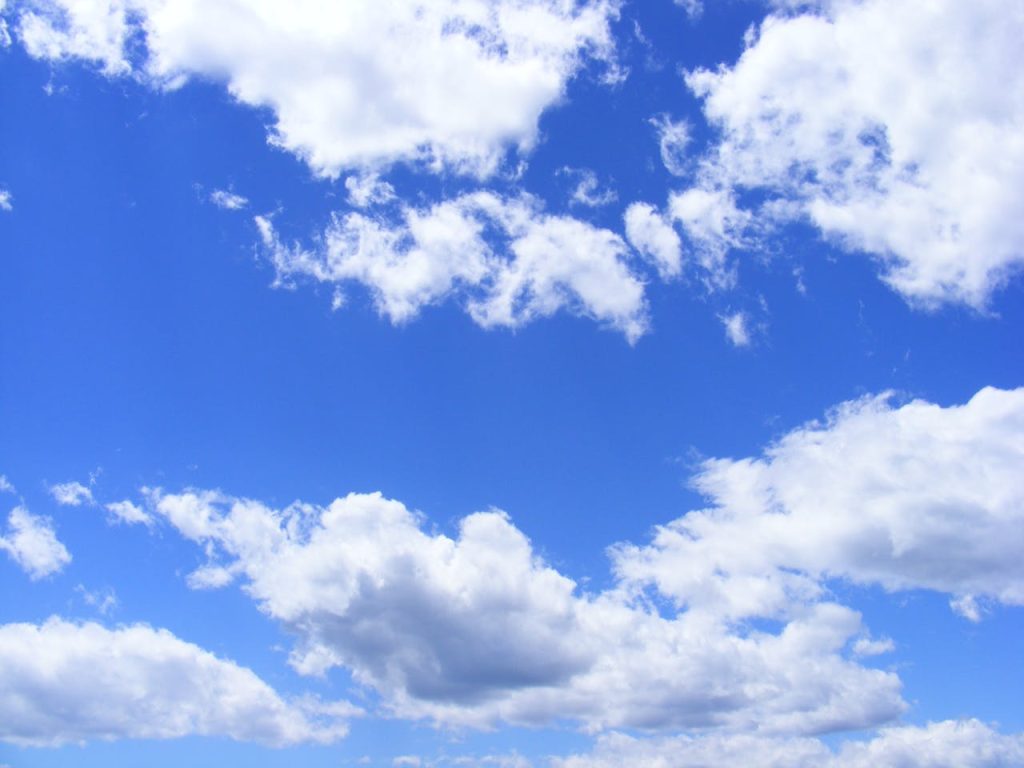
InHave you ever looked up at the sky on a clear day and wondered why it is blue instead of some other color? The blue sky is one of the most familiar sights in nature, yet the science behind it is truly fascinating. The answer lies in how sunlight interacts with Earth’s atmosphere.
What Color Is Sunlight?
Although sunlight appears white to our eyes, it is actually made up of many colors combined together. These colors form the visible spectrum:
Red, Orange, Yellow, Green, Blue, Indigo, and Violet.
Each color has a different wavelength. Red has the longest wavelength, while violet has the shortest.
The Role of Earth’s Atmosphere
Earth’s atmosphere is filled with tiny molecules of gases like nitrogen and oxygen. When sunlight enters the atmosphere, it collides with these molecules and gets scattered in different directions.
This scattering of light is called Rayleigh scattering.
Why Blue Light Scatters the Most
Shorter wavelengths scatter more easily than longer ones. Since blue and violet have the shortest wavelengths, they scatter the most in the atmosphere.
However, our eyes are more sensitive to blue than violet, and some violet light is absorbed by the upper atmosphere. As a result, the scattered light we mostly see is blue, making the sky appear blue.
Why Isn’t the Sky Violet?
Even though violet light scatters more than blue, we don’t see a violet sky because:
- The sun emits less violet light.
- Human eyes are less sensitive to violet.
- Some violet light is absorbed by ozone in the atmosphere.
So blue dominates what we perceive.
Why Does the Sky Turn Red at Sunrise and Sunset?
At sunrise and sunset, sunlight travels a longer path through the atmosphere. Most of the blue light gets scattered away before reaching our eyes. This allows the longer wavelengths like red, orange, and pink to dominate, giving us beautiful colorful skies.
Why Does the Sky Look Dark in Space?
In space, there is no atmosphere to scatter sunlight. Without scattering, there is no blue light spread across the sky, so it appears black even in the presence of the sun.
Interesting Facts About the Blue Sky
- On Mars, the sky appears reddish due to dust particles.
- Pollution and dust can make the sky look pale or grey.
- The sky can appear different shades of blue depending on weather conditions.
Conclusion
The sky appears blue because of Rayleigh scattering, where shorter wavelengths of sunlight scatter more in Earth’s atmosphere. Our eyes perceive this scattered light as blue, giving us the beautiful daytime sky we see every day.